

Save the Didactic Text!
Some of my best work is uncredited

I just visited the Glenstone Museum in Potomac Maryland. Gorgeous setting filled with awe-inspiring works of art. What a generous feat and space. And it’s free (registration required but a hot tip from a cousin on their guaranteed entry program is what got me in, last-minute). It has everything I want in a museum… except for didactic text.
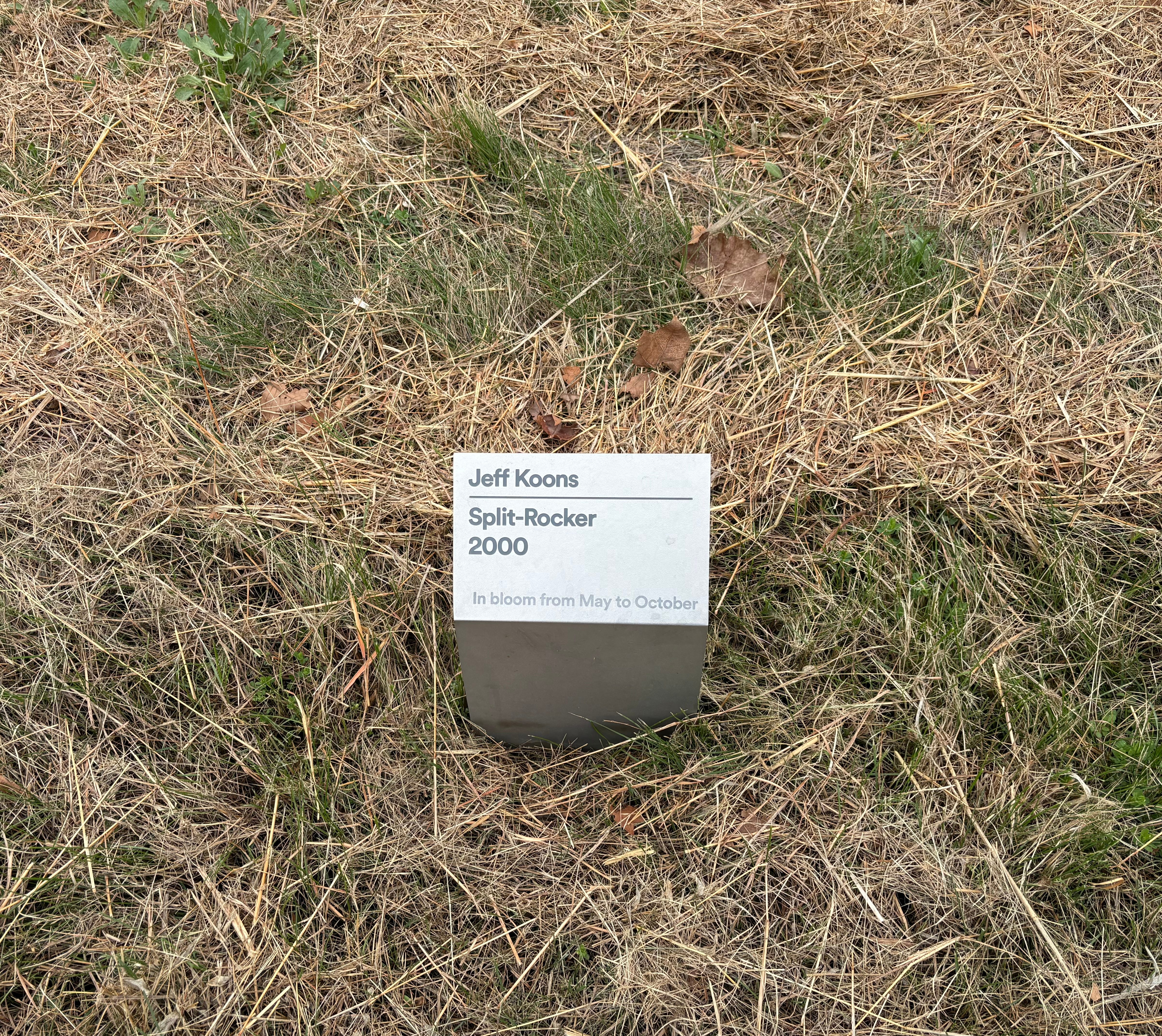
Their brochure stated that minimal wall texts “encourage you to generate your own interpretations about the works you encounter.” I am guessing their reasons might be aesthetic, too. The clean lines of the architecture, the minimalist rooms allowing focus on the art. There was more to be found in the small pamphlet and QR code, which was clunky to get to because internet was spotty and you had to get on their wifi to learn more. Eh, I’ll do it later, I thought. Too much trouble. Give me placards to read, dammit!
Maybe I am just taking this a little too personally, because someone writes that material for displays, catalogs and social media posts—someone like me.
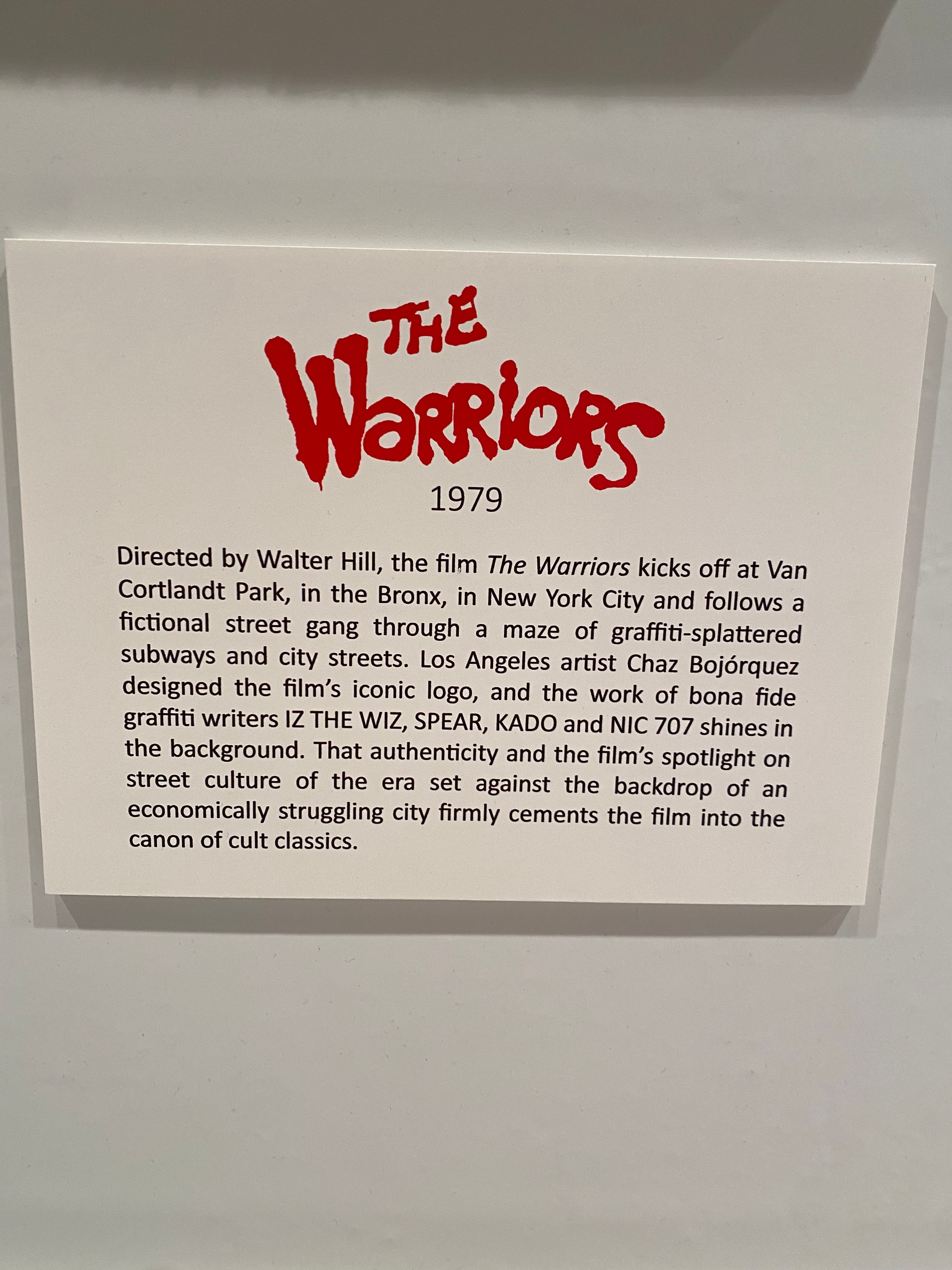
I was once told by a seasoned curator that “no one actually reads the text on the walls.” Yet he was paying me to write it. It is a common, cynical refrain in the art world—the idea that visitors treat didactic panels like background noise, drifting from masterpiece to masterpiece while ignoring the carefully crafted prose beside them.
But this “myth of the unread label” ignores a fundamental truth about human attention: people don’t stop reading because they are disinterested; they stop because the writing fails to compete with the physical and mental demands of the gallery. Humans get “museum fatigue” and visual overstimulation (hey, that’s why there are bathrooms and cafes built into the experience) so of course the small text on the walls as well as some of the art itself gets overlooked.
To turn a “skimmer” into a reader, museum text must shed its academic density. I didn’t go to advertising school. I hate the term “marketing copy.” I have written a lot of profiles as a journalist. I love word play and have a deep appreciation for anything handmade; I also have the ability to mimic tone, which comes in handy when trying to capture the vibe of a piece in writing about it. It might sound boring but while in the flow of this kind of work, I have a lot fun thinking about the best way to highlight a piece or collection.
I have learned to go beyond the birth date and place of the creator or trying to over-explain the work, instead crafting a conversational tool that directs the eye, sparks curiosity, and ultimately proves that the curator’s “invisible” words are the very things that can bring the silent object to life.
I am not scared of AI taking my job. I mean, if no one reads it, why would an AI want to write it, right? Is this some kind of post-modern post-apocalyptic vicious circle?
Maybe I have gotten good at a dying art form.
And I do so love to read the text while wandering.
Where are my fellow textual appreciators at?
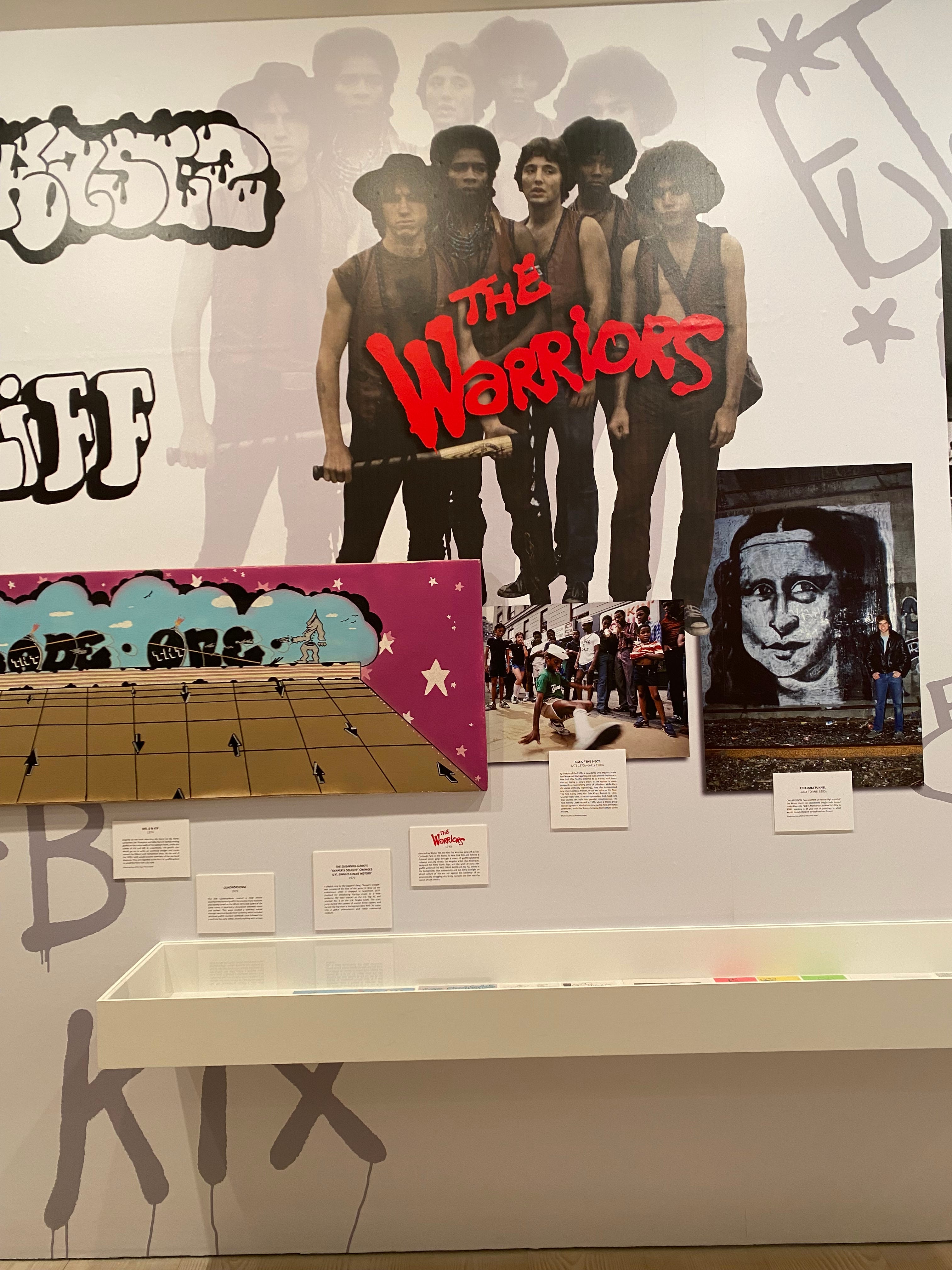
Read all of it when I can, especially when there is no audio guide! And i had no idea this was another one of your magical talents!!!
Getting to write those sounds amazing—a fun challenge! Thanks for this post.